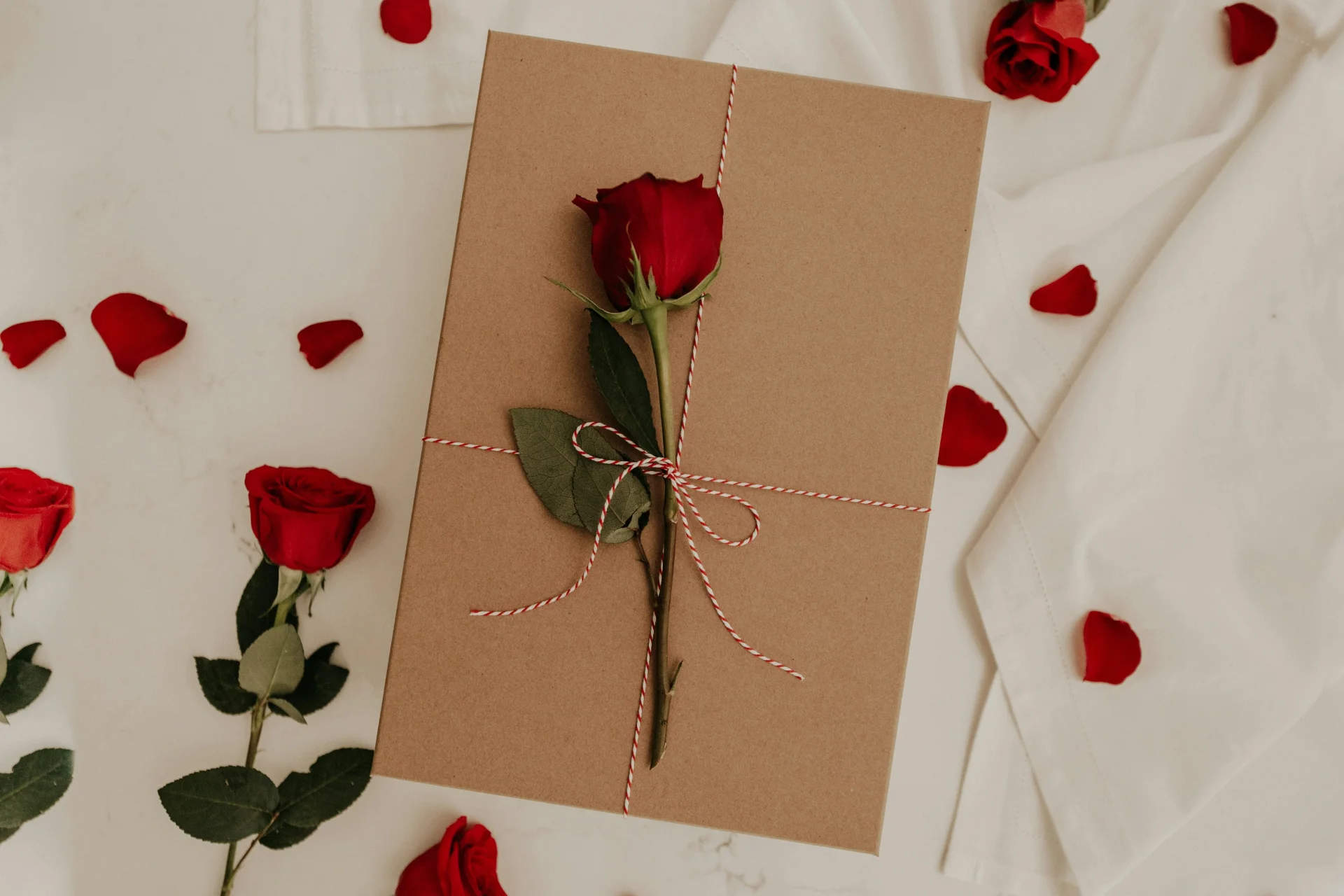
Feeling pressure around Valentine’s Day? Discover the surprising history behind the holiday, how it affects mental health for singles and couples, and science-backed habits to cope with emotional stress.
Every February 14, hearts, chocolates and romantic dinners flood social media feeds, but for many people, Valentine’s Day it’s a day wrapped in expectations, comparisons, and social pressure that can stir up surprisingly deep emotional responses. To make sense of this marketing‑heavy holiday and its effects, it helps to look at where Valentine’s Day came from, and how our brains and bodies react when we feel left out of the romance spotlight.
Today, Valentine’s Day is often seen as a glitter-covered celebration of romantic love, but its origins are far messier, older, and much less about flowers and chocolates.
Long before greeting cards and heart-shaped candy boxes, mid-February was marked by a Roman festival called Lupercalia. This ancient celebration was dedicated to fertility and purification and involved animal sacrifices, symbolic rituals, and a rather curious tradition: a matchmaking lottery. During this, men would draw the names of women from an urn and be paired together for the festival, sometimes for the season, and occasionally longer. It wasn’t exactly romantic by today’s standards, but it planted the seeds of associating February with coupling.
The “Valentine” in Valentine’s Day may refer to one or more early Christian martyrs named Valentinus, but historians debate which one. The most popular story involves a priest executed by Emperor Claudius II for secretly marrying soldiers who were forbidden to wed. While this adds a romantic spin, historical evidence is thin, and the Church later canonized multiple Saint Valentines, none conclusively tied to love.
It wasn’t until the 14th century that Valentine’s Day became associated with romantic love. Geoffrey Chaucer, author of The Canterbury Tales, referenced the day in a poem about birds choosing mates in spring. This literary mention likely helped anchor the association between mid-February and courtship, particularly in England and France.
By the 17th and 18th centuries, exchanging tokens of affection became common among lovers in Europe. Handwritten notes evolved into printed cards by the 19th century, thanks to advances in mass production. By the 20th century, commercial industries embraced the day fully, turning it into the billion-dollar marketing juggernaut we know today.
Over centuries, the day transformed from seasonal rites and religious remembrance to a cultural and commercial holiday focused on romantic love, a transition that aims to celebrate love but instead can amplify pressure, comparison and feeling of lonelisness.
Scientific research and surveys reveal that Valentine’s Day doesn’t affect everyone equally and for single people, the social hype can trigger measurable emotional responses:
The science is clear that our emotional and physical well‑being is deeply affected by social context and perceived acceptance, and holidays like Valentine’s can amplify everyday insecurities when they emphasize what someone doesn’t have rather than what they do.
While singles often feel the sting of exclusion on Valentine’s Day, being in a relationship doesn’t automatically shield anyone from emotional pressure. In fact, studies show that couples can also experience elevated stress levels around February 14, and for different but equally real reasons:
So whether you're single or partnered, Valentine’s Day is not just about love — it’s about navigating expectation, comparison, and emotion. The good news? Mental resilience isn’t built on one holiday. It’s built on the small, intentional ways we care for ourselves and show up consistently — in and outside of relationships.
Whether you’re single or partnered, if Valentine’s Day feels emotionally heavy, science points to one powerful way to protect your mental health: focus on intentional, grounding routines that strengthen emotional resilience.
Instead of internalizing the pressure to be in a relationship, celebrate that you loved yourself enough to not settle for the first person you have stumbled upon on the street.
Redirect your energy toward self-affirming habits that support mental clarity and self-worth. Studies in behavioral psychology show that establishing consistent routines, such as writing in a gratitude journal, practicing mindfulness, or tracking emotional shifts, can help combat feelings of loneliness, anxiety, or self-comparison.
These habits build emotional regulation, a key skill in navigating social stressors like Valentine’s Day.
Even in healthy relationships, Valentine’s Day can bring emotional friction from unmet expectations or comparison. This time around, try to stay disconnected from your social media and allow yourself to just be happy to be with the person you have at your side.
The rest of the year you can try to create shared routines, like checking in with each other emotionally, expressing gratitude, or simply making space for quiet connection, can diffuse stress and deepen intimacy. But for today just be present and mindful: avoiding comparison and expectations can be the most important step you can take to preserve your relationship and your mental health. Remind yourself that it is just as important to maintain individual habits that support each person’s mental health.
That way, the relationship is rooted in mutual growth rather than holiday performance.
Whether alone or in love, the science is clear: stability and well-being come from the routines you cultivate daily, not the validation you receive annually. A consistent practice of reflecting on your emotional state, noticing patterns, and creating space for gratitude can become your emotional anchor, especially during high-pressure cultural moments.
Valentine’s Day, from its interesting origins to its current commercial prominence, highlights how cultural narratives about love have changed over time, and how they affect us today. But understanding this evolution can empower you to choose your response:
So if this Valentine’s Day stirs up pressure, take a breath. You’re not alone in these feelings, and there are positive ways to move through them and find strength and meaning that go far beyond one date on the calendar.
Q: What day is Valentine’s Day always on?
Valentine’s Day is celebrated every year on February 14, regardless of the day of the week.
Q: Is it okay to ignore Valentine’s Day?
Absolutely. There’s no rule that says you must celebrate. Many people choose to treat it like any other day.
Q: Do other countries celebrate Valentine’s Day?
Yes, but not all. Some countries celebrate love and friendship in unique ways, while others don’t observe it at all.
Q: Can you celebrate Valentine’s Day alone?
Yes, and many do! Solo celebrations can include treating yourself, journaling, or relaxing with your favorite activities.
Q: Is Valentine’s Day based on a true story?
Partially. It's linked to multiple historical figures named Valentine, but much of the romance came from later legends and poetry.

Mental Health Advocates
The Moodflow product, research, and clinical advisory group sharing evidence-based insights on emotional wellness.
Continue exploring with these related posts
Learn how gratitude journaling improves mental health, the science behind why it works, and how to make it part of your daily routine using Moodflow.
Blue Monday 2026 is January 19. Learn what it is, why January can feel emotionally heavy, and a simple plan to reset your mood, energy, and momentum today.

The viral return of retro Christmas decor and how nostalgia boosts mental health and emotional wellbeing during the holidays.
Scrolling through social media can feel heavier than ever as year-end comparison, holiday pressure, and curated highlight reels weigh on your mood. Learn how to protect your emotional wellbeing with self-awareness, gratitude journaling, and practical strategies.
Ready to start your wellness journey? Download the app and experience better mental health tracking.