Feeling mentally exhausted? Try the “Going Analog” January reset without draining your wallet. Learn about the replace, don't remove method, and 7 realistic swaps you could turn into a daily routine.
January always comes with big promises. New habits, new routines, new you. However, at the same time, people feel exhausted due to overstimulation. Too many inputs, too little recovery.
Analog is trending because it offers something refreshingly doable: not quitting the internet, not deleting every app, just building small offline moments that make your brain feel quieter again. If we can do that without turning it into another overconsumption trend, that's a double win.
“Going analog” is internet language for choosing more offline, physical, single-task experiences on purpose. Think paper books you probably already own, handwriting on any scrap of paper, puzzles you’ve forgotten in a drawer, walking without a podcast, cooking without videos running in the background.
It is trending because many people are noticing the same pattern: even when life is fine, the mind still feels noisy. The endless scroll conditions your attention to break into shorter and shorter bursts. The reward loop trains you to reach for your phone the second you feel bored, uncertain, lonely, or mildly stressed. Going analog is appealing because it is not framed as moral superiority. It is framed as relief.
Doomscrolling is not just too much content and time spent on your phone. It is a nervous-system experience.
When you scroll, your brain is switching contexts constantly. Your body is reacting to micro-stressors without closure. Headlines, comparison, conflict, hot takes, perfection, tragedy, a meme, an ad, a perfect couple. Even if none of it is about you, your system still registers stimulation.
Attention fatigue usually shows up as:
Going analog helps, because it introduces a different kind of input: slower, predictable, embodied. Your nervous system finally gets a signal it understands: there is no urgency right now.
Most people fail at digital detoxes because they try to remove the soothing function of the phone without replacing it.
Scrolling usually provides one of these comforts:
The “replace, don’t remove” method is simple: Keep the comfort, change the container. Instead of thinking “I must stop scrolling,” try: “I need a decompression moment. What offline thing gives me the same feeling, even at 60 percent?”
This works best when you aim for better, not perfect. And it works even better when you use what you already have, because the point is calm, not collecting props.
These swaps are designed to fit real life and avoid the “new hobby identity” trap. Use what’s already around you.
Consistency beats intensity. A 10-minute ritual works because it is small enough to do on hard days and it does not require a new life.
Try this daily: Minute 1: Put your phone on silent and out of reach. Minutes 2 to 6: Do one analog action you genuinely like, using what you already have. Read, draw, stretch, tidy one surface, write one page, make tea slowly. Minutes 7 to 9: Quick reflection. What changed in my body. What is softer. What is still tense. Minute 10: Choose the next kind thing. One next action, not your whole life.
The goal is teaching your system that calm is accessible.
Relapse is part of the pattern, not proof you failed. The real skill is what you do next.
When you catch yourself scrolling:
A useful reframe: You are not trying to become a person who never scrolls. You are becoming a person who can return to themselves faster.
Before you turn “Going Analog” into a shopping list, pause.
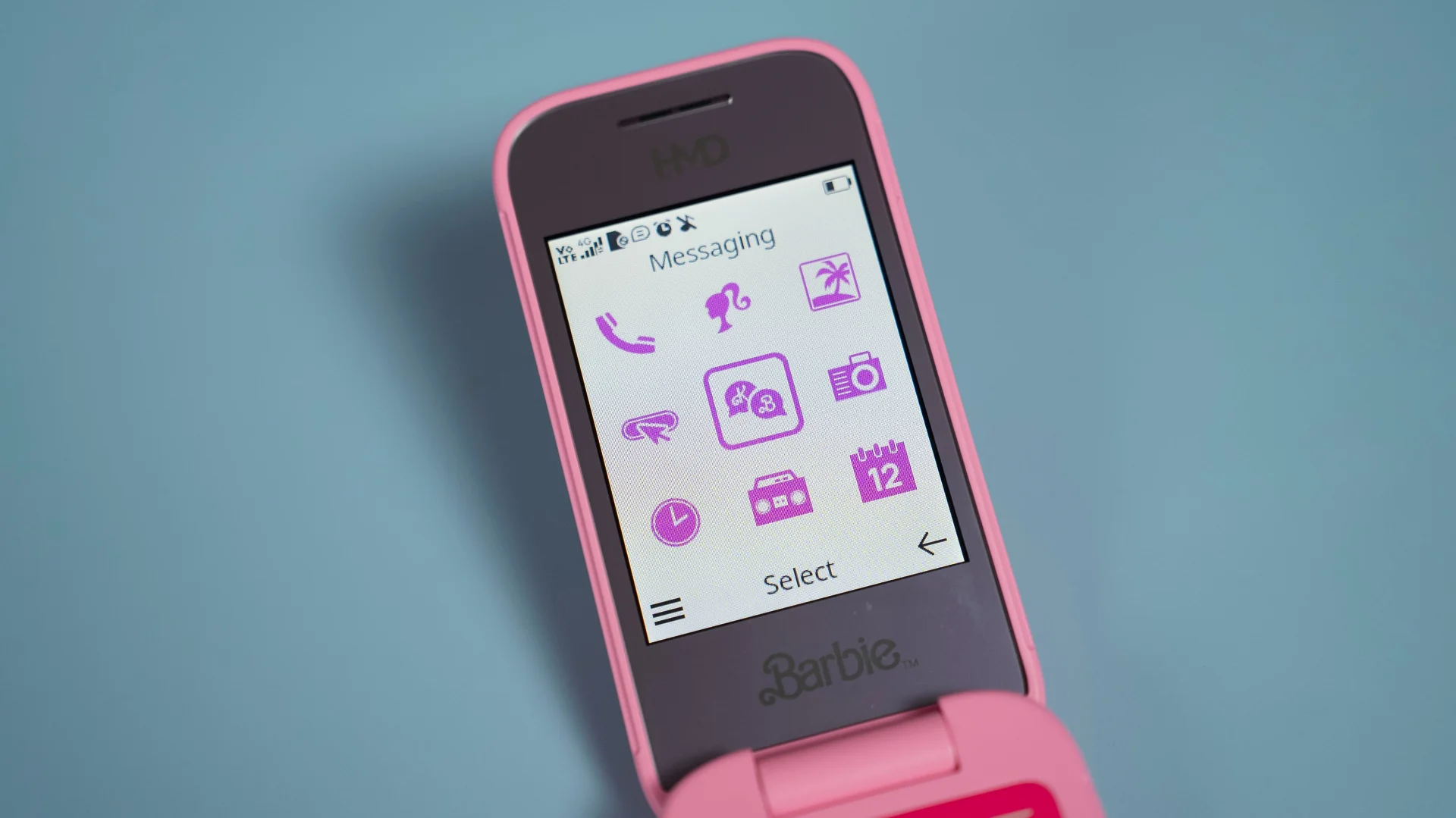
A trend that’s meant to quiet your mind can easily become overconsumption in a new outfit. You do not need a “dumb phone,” a brand-new journal, or aesthetic supplies to reset your attention. Reuse what you already have, borrow a book, write on scrap paper, repurpose an old notebook, or simply make your current phone quieter by changing a few settings. grayscale, fewer notifications, stricter app limits, or moving the most tempting apps off your home screen.
Analog is useful when you pick the parts that actually support your life, and the environment. Swap one automatic habit for one calmer constraint. Create with what you already own. Go outside and let ordinary things be enough again. Let your nervous system finally get room to breathe and you'll see how it changes your everyday life.
Q: Is “Going Analog” the same as a digital detox? Not necessarily. Going Analog is usually about adding offline moments and reducing compulsive scrolling, not quitting technology entirely.
Q: What if I work on screens all day? That is exactly when analog breaks matter most. Even short offline moments give your attention and nervous system a different kind of input.
Q: How long does it take to feel a difference? Many people notice small shifts within a few days, especially around sleep and mental noise. The bigger change is building the ability to pause before the automatic scroll.
Q: What is the easiest swap to start with? Pick one predictable moment, usually morning or bedtime, and replace only the first three to five minutes of scrolling. Small wins build trust quickly.

Mental Health Advocates
The Moodflow product, research, and clinical advisory group sharing evidence-based insights on emotional wellness.
Continue exploring with these related posts

Parent Mental Health Day (January 30): explore practical ways to manage the mental load, reduce stress, and care for your emotional well-being as a parent.

Explore how International Mind‑Body Wellness Day can inspire a more intentional and balanced start to 2026. Discover simple ways to care for both your mental and physical health, how the Wolf Supermoon adds symbolic meaning to the day, and why tools like Moodflow can help make wellness a daily habit.

Discover how sleep quality drives mood and try three low-effort changes you can implement tonight to feel better tomorrow.

When autumn’s shorter days and colder light enter your life, your biology responds. You may feel sluggish, less motivated, or emotionally down. Understanding how reduced daylight, disrupted sleep cycles and environmental shifts affect your mood is the first step to taking control and boosting emotional resilience.
Ready to start your wellness journey? Download the app and experience better mental health tracking.